


Artificial intelligence just leveled up again—and this time, it’s not just about speed or chat skills. OpenAI’s new o3 and o4-mini models are changing how we think about AI’s potential. For the average user, that means quicker, sharper answers. For developers and businesses? A new gold standard for tackling complex tasks.
What’s New?
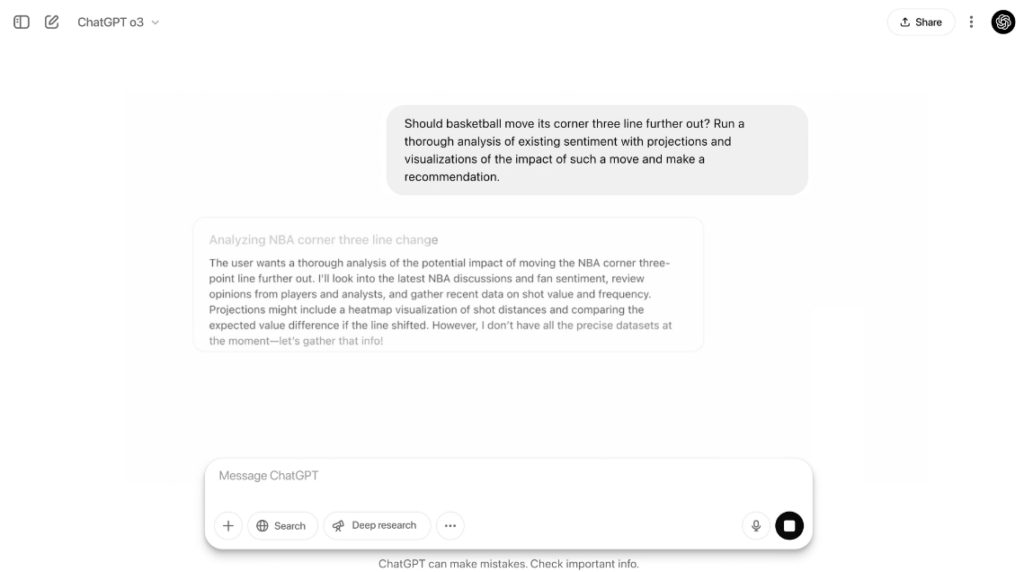
The o3 and o4-mini models aren’t just built to answer—they’re designed to think, combine tools, and figure out the best way to crack a problem, all in seconds.
For the first time, these models can independently:
- Analyze images, charts, or sketches
- Search the web when they need more data
- Write and run Python code
- Create visuals and explain them
- Deliver it all in the format and style the situation calls for
OpenAI calls this “agentic tool use”—AI that doesn’t wait for instructions but gets what needs doing and does it.
Who’s This For?
- Marketers and Strategists: o3 can pull real-time web data, blend it with your inputs, and churn out reports that make sense. Ask something like, “How’s California’s energy use this summer compared to last?” and it’ll hand you sources, a graph, and an analysis.
- Developers and Analysts: o4-mini’s a lightweight powerhouse—fast, affordable, and surprisingly accurate. It crushes math, data analysis, and coding tasks, delivering top-tier results at a lower cost.
- Designers and Teams: These models get visual inputs—whiteboard photos, sketches, diagrams. They can rotate, zoom, tweak, explain, or turn them into actionable plans.
AI That Thinks Visually
Here’s the big one: these models don’t just see images—they think with them.
Upload a diagram photo, a math problem, or a logo sketch, and the model doesn’t just describe it—it works with it, analyzing, breaking it down, editing, or suggesting next steps.
Blurry, rotated, or snapped from your phone? o3 handles it like a champ.
Performance in Numbers—and Real Life
- o3 outshines its predecessors in coding, consulting, biology, and math, with a standout 69.1% score on SWE-Bench Verified coding tests.
- o4-mini punches above its weight, delivering near-top performance for its size, especially in fast-decision tasks like math (92.7% on AIME 2025).
Both were trained to know when and how to pick the right tool, turning them from chatbots into assistants with their own game plan.
How Can You Use It?
- Content Creators: Get the right data at the right time.
- Market Analysts: Connect numbers, visuals, and sources seamlessly.
- Automation Pros: Let AI handle tasks without constant babysitting.
The o3 and o4-mini models are built to free up teams who want solutions, not just answers. They’re fast, safe (with beefed-up safety standards), and—most importantly—effective.
Wrap-Up: AI That Thinks Like You
OpenAI’s o3 and o4-mini are a leap toward what we’ve been waiting for: smart, accessible, practical AI that doesn’t fake creativity—it actually helps you create, solve, and push forward.
For businesses, brands, and agencies, it’s both a challenge and an opportunity. Whoever masters these tools first gets an edge that’s tough to catch.
Want to tap the latest AI models for your business, campaigns, or workflows? At New School Digital, we’ll help you craft the right strategy, streamline processes, and tie AI tools to your goals.
Drop us a line. Let’s turn tech into your advantage.
Source: OpenAI
April 2025